
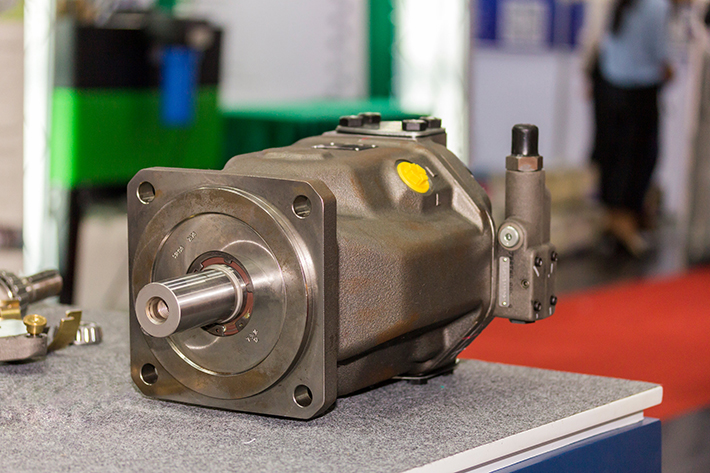
Hydraulic systems are essential to any type of equipment from vehicles to construction equipment and aviation, so it is crucial that these systems are maintained and provided the best quality hydraulic fluid. One thing that can hinder the performance of hydraulic systems is hydraulic fluid contamination. Hydraulic fluid contamination can lead to lower efficiency, damaged hydraulic components, cavitation, and even system failure.
So, what exactly is hydraulic fluid contamination and how can this be prevented?
Hydraulic fluid contamination comes in the form of foreign particulate, abrasive and non-abrasive, and moisture. Some preventative maintenance against the effects of contamination includes proper storage and handling, regular testing, utilizing filters, and keeping everything clean during and after service.
The rest of this article will give more detail on the types of contamination and tips to prevent it. While hydraulic fluid contamination cannot be completely eliminated, there are things that can be done to minimize its effects.
Types of Hydraulic Fluid Contamination
There are three types of hydraulic fluid contamination: non-abrasive foreign particulates, abrasive foreign particulates, and moisture. Non-abrasive particulates come in the form of chemical byproducts that can lead to stuck valves and system clogs. This can cause inconsistent flow and pressure. Abrasive foreign particulates are metal shavings from repeated wear on the system as well as dirt.
Similar to non-abrasive particulates, these can also result in stuck valves and clogs, but they also cause damage to highly machined components due to scoring. Moisture can enter into hydraulic fluid due to condensation, high humidity, and drastic changes in temperature. Water contamination can lead to corrosion, chemical reactions, and an increased risk of cavitation.
Tips to Reduce Hydraulic Fluid Contamination
Unfortunately, there is no way to completely eliminate hydraulic fluid contamination. There are steps that can be taken to significantly reduce the amount of contamination and minimize its effects, though. By following these tips, you can ensure the performance and longevity of your hydraulic system.
Use a Filtration System with Fresh Hydraulic Fluid
Contaminants can enter into hydraulic fluid during the manufacturing and handling process. Unfortunately, there is not much that you can do to prevent this. To remove these contaminants prior to the fluid entering a hydraulic system, it is important to first filter new hydraulic fluid. This will ensure that the new fluid that you are putting into the system is fresh and clean.
Proper Storage and Handling
Moisture and particulates have the ability to contaminate hydraulic fluid when the product is in storage, during transportation, and due to handling. Moisture is the product of drastic changes in temperature and high humidity. It is important to keep hydraulic fluid in temperature-controlled environments to reduce condensation and to store containers on their sides as this reduces the opportunity for water to collect. Also, keep lids and caps tightly sealed whenever possible.
Conduct Regular Testing
It is crucial to know if hydraulic fluid is contaminated and to what extent, but this information can be difficult to ascertain. There are businesses that offer hydraulic testing kits with the ability to uncover this information, though. With these kits, you have the ability to take a sample of the fluid and analyze it either at home or by sending it in to an accredited lab. You then know the contamination level of hydraulic fluid, it the fluid should be changed, and have more information for trouble shooting the source of the contamination. This is an important step in any preventative maintenance system.
Maintain a Clean Workplace
If workplaces, equipment, or tools are dirty or contain a lot of grime, there is a high potential for contaminants to fall into hydraulic systems during maintenance. To prevent this, ensure that all tools and work surfaces are wiped clean prior to beginning service. Also, try to keep ports closed as often as possible so no contaminants or moisture have the opportunity to collect.
Conclusion
There are many opportunities in the manufacturing, storage, and use of hydraulic fluid for foreign particles and moisture to contaminate. This contamination can result in decreased performance as well as crippling damage, so it is crucial to understand how this contamination occurs and how to prevent it. Remember, taking the time to thoroughly clean your workstation, conduct regular preventative maintenance, and storing hydraulic fluid properly can save you time and headaches in the long run.
What Expert Industrial Repair Services Offers
If you have questions on your hydraulic equipment or suspect it needs repair, contact Servo Kinetics in Ann Arbor Michigan. We can help you troubleshoot issues to determine if your hydraulic motor or pump needs repair. As a full-service hydraulic repair, inspection and rebuild facility for more than 45 years, we deliver the highest quality standards at the lowest possible cost in the shortest turn-around time possible; a process that is most trusted throughout the industry.
Our industrial hydraulic repair services include Vickers classic factory rebuilds, Beach Russ pump repair, reverse engineering services, new pumps and motors and so much more. Call and speak to a Specialist today!