
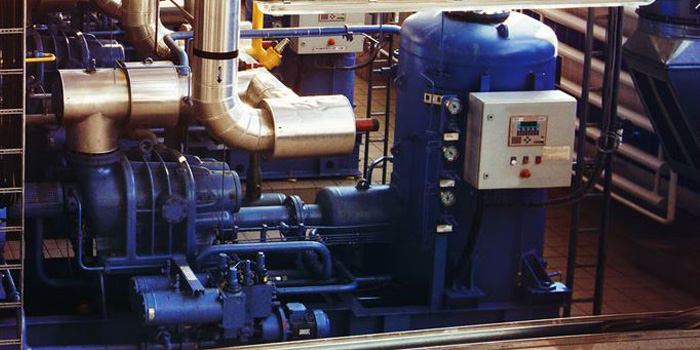
Hydraulic pumps offer advantages over many other types of pumps, both for industry and home use. Three main types of hydraulic pumps are commonly employed, including rotary vane-, screw type-, and gear pumps. All three have wide industrial, automotive, and marine applications.
All pumps need an external power source, but hydraulic pumps offer the advantage of using the kinetic power of water for most of their energy. For the external source, hydraulic pumps utilize petrol-, diesel-, gas- or electricity to generate momentum.
Some hydraulic pumps also build momentum through a gravity feed.
Others make use of natural elements. These are continuously running pumps seen frequently on farms. For example, a windmill uses a hydraulic pump to lift water from deep in the ground, using the wind for natural power.
But hydraulic systems have uses in many industries outside of agriculture. They are in demand across the board from automotive and manufacturing to aerospace and construction and even healthcare.
Safety should always be paramount in all applications when operating a hydraulic system, including both pumps and motors. To ensure against a potentially painful, devastating, and expensive injury, consider the following safety tips:
Operate the system for its intended purposes only
As with all machinery, hydraulic pumps have an intended purpose. Unfortunately, one of the shortest routes to catastrophe is operating the system for another reason. When designers consider safety, they engineer the machine with a particular set of uses in mind. Departing from this endangers you and absolves the manufacturer from product liability claims.
Perform a detailed inspection before starting the system
Inspections allow you to identify hazards before the parts start moving. Be sure to check hydraulic hoses, connectors, fluid reservoirs, and other components for signs of the following:
● Leaks
● Loose fittings
● Cracked hoses
● Low hydraulic oil fluid level
● Other signs of disrepair
Shut down the system for fluid leaks
If you discover a fluid leak, suspend system operations. Before restarting, you should find the source of the leak and repair it. If you operate while the system is losing fluid, you may have difficulty keeping the system going because of excessive pressure on the components. This can also cause blowouts, particularly in the vicinity of the leak.
Shut down systems right away if they overheat or lose pressure
Continuing operations while the system is overheating or losing pressure can lead to damages and costly repairs. Also, overheated components may seize up, increasing the potential for accidents and injuries.
Always wear the proper personal protection equipment (PPE)
Manufacturers recommend wearing PPR while operating some hydraulic machines. Disregarding PPE can lead to dreadful consequences.
Never put your hands, face, arms, or other body parts into or near moving components.
Be careful of the system’s moving parts, such as fan blades, belts, and other components. Contact with moving parts may result in bruises, cuts, and other serious injuries.
Sometimes, troubleshooting requires observing the system in operation. Keeping a safe distance allows you to look and listen to the machine’s movements without risk of injury.
Employ lockout-tagout procedures before starting system maintenance
Using lockout-tagout procedures prevents someone from starting the machine while you are conducting maintenance. In addition, it’s important to release the hydraulic pressure before servicing the pumps, motors, and cylinders.
Get the proper training
System operators need the training to run systems safely. Inexperience and limited knowledge of machine operation may result in injury.
Never leave the system running unattended
A hydraulic system running unattended is a disaster in the making. When something goes awry, immediate system shutdown is often required. Failure to do so can harm the machine and endanger anyone in close contact.
Pay attention
Being focused and vigilant is crucial in maintaining a safe environment. A slip in attention or relaxation of safety principles can place you and others in jeopardy. So stay alert around heavy machinery.
Following these tips and manufacturer-recommended safety procedures can keep yourself and others safe. This ensures against costly, painful workplace injuries. In addition, you safeguard the system itself, preventing unnecessary breakdowns, blowouts, and shredded components.
Hydraulic systems provide valuable efficiencies and make many industrial processes possible. But like all machines, they can cause injury and breakdown without proper maintenance and precautions.
Have you scheduled a hydraulic system inspection?
If your hydraulic pump or motor is due for an inspection or maintenance, Servo Kinetics in Ann Arbor provides the services you need. Our industrial hydraulic repair solutions are efficient and accurate as we make sure to deliver on time at a competitive price. Call and speak to an engineer about our quality hydraulic repair services and our Special Offers.