
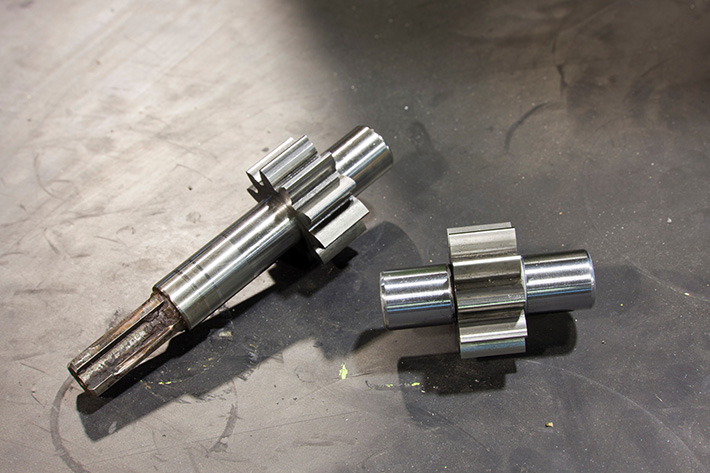
Hydraulic pumps and motors are essential for converting mechanical energy into hydraulic energy and vice versa. They power heavy machinery, industrial equipment, and vehicles, enabling precise control, efficient energy transmission, and high force generation. This technology enhances productivity, automation, and versatility across diverse industries.
Humans not only evolve, so does technology including hydraulic pumps and motors. How?
Technological and material advancements have significantly improved their operation, design, and environmental impact in the evolution of hydraulic pumps. Newer materials make them more durable and less prone to breakdowns. More efficient procedures allow for increased water flow with less stress on the machine, extending the life of the internal parts and cutting energy costs.
Furthermore, the approach to maintenance and diagnostics has gone from reactive to proactive, so maintenance personnel no longer need to fear a sudden, unexpected breakdown that takes the machine offline for extended periods, resulting in hefty repair costs. Major breakdowns are far more avoidable, and when they happen, early warning systems allow workers to cease operation before significant damages occur.
Some of the most productive innovations include the following:
● Better Quality Materials
● Efficiency and Design
● Electronic Integration and Control
● Noise and Vibration Reduction
● Environmental Impact and Sustainability
● Maintenance and Diagnostics
Materials and Construction
As with any mechanical device, the quality of the materials used in producing hydraulic pumps significantly impacts their performance and efficiency. Earlier iterations of hydraulic pumps were made with raw iron and steel. While these materials sufficed at the time, the invention of more advanced metals has resulted in higher-performing and more durable pumps. Many alloys improve the quality of the parts, such as compounds that prevent corrosion, optimize fluid flow, and help protect against leaks.
Design for Efficiency
Old-fashioned hydraulic pumps lack the efficiency of today’s models. Originally, hydraulic pumps effectively converted mechanical energy into hydraulic energy but left something to be desired regarding efficiency. As a result, they cost more to run and break down more frequently compared to those on the market today.
Computer-aided design (CAD) and computational fluid dynamics (CFD) have enabled engineers to design systems that provide superior flow with less energy consumption, which gives us the increased efficiency and reliability we rely on today.
Electronic Integration and Control
In previous eras, hydraulic pumps were simple mechanical devices, but, as with vehicles, electronics have become increasingly integrated with their operation. Today’s hydraulic pumps are a new vehicle with rearview backup cameras, lane departure warnings, and advanced systems to notify mechanical failure. Current electro-hydraulic systems use electronic technology to control pump operation precisely, adjusting the flow and pressure based on demand, reducing energy consumption while enhancing performance. Sensors and microcontrollers allow pumps to communicate with the central system, relaying vital data that assists with operation and preventative maintenance.
Noise and Vibration Reduction
If you worked around hydraulic pumps in decades past, you know how noisy they used to be. Also, they were prone to unpleasant heavy vibrations that contributed to wear and tear. Engineers have designed latter-day pumps with materials that dampen vibrations, reducing noise and damage. In addition, by requiring tighter tolerances, improving bearing designs, and utilizing more efficient fluid dynamics, they have successfully created relatively quiet operation of hydraulic pumps.
Environmental Impact and Sustainability
In the days of ESG, companies were thinking about the environmental impact of hydraulic systems. Previous iterations of hydraulic pumps were known for their less-than-green ecological impacts. Manufacturers have introduced biodegradable hydraulic fluids that drastically improve environmental footprints to keep up with the demand for more environmentally sustainable industrial machinery.
Maintenance and Diagnostics
Gone are the days when maintenance was reactive. Proactive maintenance, available because of advanced sensors and diagnostic tools, allows for precise prediction of maintenance needs. Pumps now come equipped with sensors that monitor wear on parts, fluid quality, temperature, and pressure. This real-time data allows maintenance workers to accurately predict when equipment failures are likely or imminent, reducing downtime and preventing expensive, long-duration shutdowns. Modern pumps also reduce the cost of repairs and maintenance through more accessible and modular designs that make these tasks much more manageable.
Overview
The advancement of hydraulic pump technology from noisy and dirty to clean and quiet has been a boon to many industrial companies. By using new, improved materials, leveraging computational tools, and integrating electronic systems, hydraulic pump manufacturers have achieved a blend of efficiency, sustainability, and reliability. The result is reliable operation, enhanced longevity of the system and parts, higher output, and happier customers.
Keep your hydraulic system operating efficiently and correctly with the help of Servo Kinetics Inc. Our hydraulic repair and maintenance services deliver quality work and repair with a commitment to customer care and on time delivery. Our extensive knowledge and work in hydraulic repair services has made us a trusted name in the industry. Connect with us online or call and speak with a hydraulic specialist about your equipment today!