
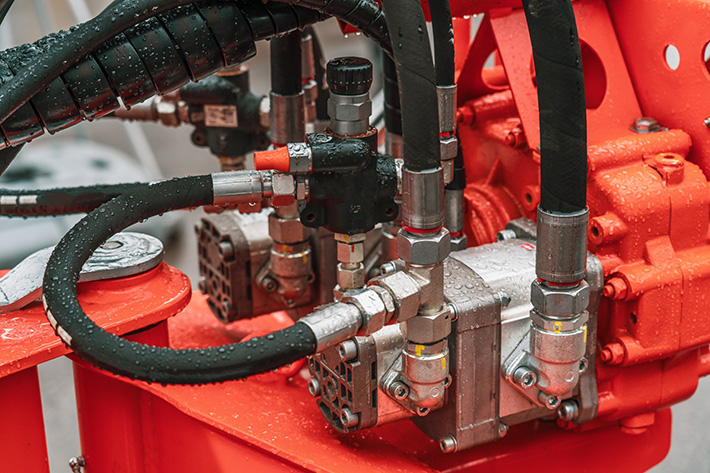
Hydraulic systems are not immune to problems of their own. Though the equipment is built to last, a problem known as hydraulic pump contamination could put your business at risk for liabilities.
Hydraulic pump contamination is a type of system failure caused by foreign substances, such as air and water, making their way into sensitive areas of the machine.
This affects the machine’s capabilities and could potentially trigger a failure. There are different ways that contaminants can enter your hydraulic equipment, which could speak to more significant issues at play.
A major problem like this should be a cause for concern, but you shouldn’t let it overwhelm you. Servo Kinetics Inc. is here to present a comprehensive, informational guide on hydraulic pump contamination, as we often run into it in our line of business.
Types of Hydraulic Pump Contamination
As we broke down earlier, water, air and heat can cause negative changes in the hydraulic fluid, damaging your equipment. This damage is often not reversible. However, once you find the source of contamination, you can better deduce how to move forward. Let’s take a look.
Native Contamination
Native contamination can be due to anything leftover after repairs on your hydraulic systems. Materials like weld slag and shavings could infect hydraulic fluid if the maintenance servicers did not correctly clean up after themselves.
Contaminated New Fluid
Contamination of new fluid is still a possibility, even during the manufacturing process or while in transit, where air or water might inadvertently seep in. The likelihood of contamination taking place within a short period of time is very high in certain cases.
Ingressed Contamination
During regular operations, hydraulic machinery can become contaminated. When moisture gets in through breather caps or other open areas and enters the reservoir, you can do nothing. Ideally, seals are supposed to stop particles in their tracks from being able to enter your hydraulic systems, but these are not foolproof measures, especially if they are damaged in any way.
Internally Generated Contamination
Last on the list is internally generated contamination. In a scenario akin to continuing to use a damaged tire instead of replacing it, a hydraulic system that utilizes contaminated fluid is likely to continue with the same practice. The system operates under the presumption that the fluid in use is suitable for its intended purpose, and there are no accurate warning signals to prompt a different course of action. Ultimately, the onus falls on business owners to evaluate the efficiency of their machinery and make informed decisions based on their findings.
What Are the Signs I Should Look for in a Contaminated Hydraulic System?
Some signs are pretty obvious, while some might be more hidden. Both are important in determining the health of your hydraulic system. One of these is a strange noise. After the hydraulic fluid is contaminated, it leads to a process known as aeration, which can cause a loud banging noise as air moves throughout your system.
The fluid temperature should stay at a steady 180 degrees, but if it creeps upwards, that should be alarming.
Hydraulic systems are meant only to have a certain heat load, so high heat tends to destroy necessary circuitry and other system components. If your machine starts to lag behind at all, the fluid may be affected in some way. There may be an internal leakage you may not yet be aware of, and when it drops the pressure, that heat we discussed earlier will rise and start to wreak havoc.
Seeking Optimal Hydraulic Pump Function
Hydraulic pump contamination is scary as many businesses depend on these pieces of machinery to perform optimally to stay afloat. There is only one solution for this specific problem: call up the professionals. Servo Kinetics in Ann Arbor is a full-service industrial hydraulic repair, inspection, and rebuild business specializing in renewing and reservicing old or compromised equipment in various important industries.
We also offer incredible reverse engineering services, thanks to our expert team, who always keep up to date with the latest information to ensure your equipment lasts during the tightest crunch times. Contact one of our hydraulic specialists to learn more!