
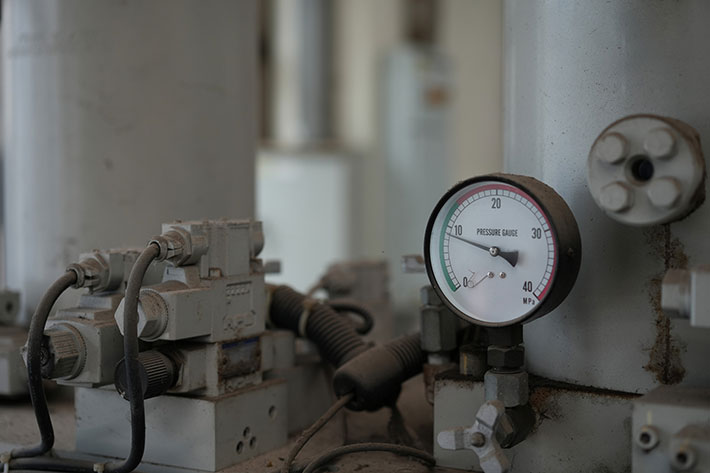
Hydraulic systems are essential in industries from manufacturing to automotive applications. These industries constantly battle contamination of the hydraulic fluid these systems rely on. Proper filtration prevents system failures and extends the life of equipment.
The Importance of Hydraulic Filtration
Hydraulic systems function by transmitting power through pressurized fluid. Over time, contaminants can enter the fluid and cause major damage to system components.
Filtration systems remove impurities before they circulate through the hydraulic system. They clean fluid by capturing harmful particles and ensuring only clean hydraulic oil reaches pumps, valves, and actuators. This is why proper filtration is not just a recommendation—it is a necessity for optimal hydraulic system performance.
How Contaminants Affect Hydraulic Systems
Contaminants in hydraulic fluid can cause several operational problems, including:
● Component Wear and Tear: Abrasion and erosion occur as the result of particles in the hydraulic fluid.
● Reduced Efficiency: Contaminants clog or obstruct small passages in hydraulic valves. This congestion results in sluggish performance and increased energy consumption.
● Overheating: Poor filtration increases friction and restricts fluid flow that can allow the buildup of heat and increase the risk of system failure.
● Seized Components: Water contamination causes rust and corrosion that can cause key system components to seize and fail.
High-quality filtration solutions can reduce these risks.
Types of Hydraulic Filters
Different types of hydraulic filters are used to protect systems from contamination. The most common types include:
● Suction Filters: Installed at the intake side of the pump, these filters prevent large particles from entering the hydraulic system.
● Pressure Filters: Placed after the pump, these filters remove finer particles that may have bypassed the suction filter.
● Return Line Filters: Positioned in the return line before the hydraulic fluid re-enters the reservoir, these filters capture contaminants picked up during operation.
● Breather Filters: Mounted on hydraulic reservoirs, these filters capture airborne contaminants to prevent them from entering the system when the fluid level changes.
● Offline (Kidney Loop) Filters: These dedicated filtration units operate separately from the hydraulic system to continuously clean fluid.
Each type of filter serves a specific role in protecting hydraulic systems and should be selected based on the needs of the application.
Selecting the Right Hydraulic Filter
It’s important to know which filter is right for your hydraulic system. Each filter is designed to meet specific operating conditions. System pressure, fluid type, contamination level, and operating conditions are all factors the filter must be suited to.. Here are key considerations when selecting a hydraulic filter:
● Filtration Efficiency (Beta Ratio): Each filter is rated by its beta ratio, or ability to filter out particles.
● Micron Rating: The micron rating of the filter describes the size of particles it can remove. The rating ranges from 3-25 microns, with lower values referencing smaller particles.
● Flow Capacity: This rating describes the filters suitability to certain flow rates.
● Dirt Holding Capacity: This refers to the filter’s ability to store contaminants before it requires replacement.
● Operating Environment: Extreme temperatures, water exposure, and vibration levels should be factored into filter selection.
Picking out the right filter type will ensure your hydraulic system remains protected and efficient.
Best Practices for Hydraulic Filtration Maintenance
Even the best hydraulic filters require regular maintenance to function effectively. We’ve provided some tips to help you maintain the efficiency of your system:
● Monitor Filter Condition: Use filter indicators or pressure drop monitoring systems to detect when filters need replacement.
● Follow a Routine Replacement Schedule: Replacing filters at recommended intervals prevents excessive wear on hydraulic components.
● Inspect Hydraulic Fluid Regularly: Fluid analysis detects contamination before it causes major failures.
● Use High-Quality Filters: Invest in premium filtration products to ensure maximum protection and longevity.
● Check for System Leaks: Contaminants often enter hydraulic systems through leaks in hoses, seals, and connections.
Proper filtration maintenance extends the life of the hydraulic system. It’s also a great way to improves overall operational efficiency and reduces downtime.
Partner with Servo Kinetics for Superior Hydraulic Repair Services
Ensuring clean hydraulic fluid is essential to maintaining peak system performance and longevity. Don’t let contamination compromise your hydraulic system. Contact Servo Kinetics Industrial Hydraulic Repair today to learn how our hydraulic repair services including filtration solutions can enhance performance, reduce downtime, and extend the life of your hydraulic pumps, motors and equipment.