
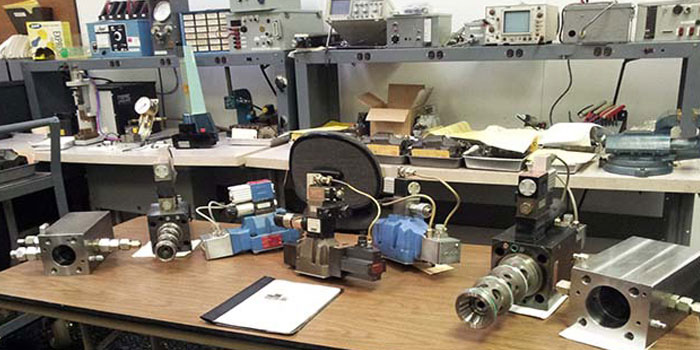
Why Hydraulic System Inspections Are Vital to Continued Operations and Maintenance Budgets
When your hydraulic system runs smoothly, it’s easy to think it will always hum along flawlessly. However, hidden problems like contamination may slowly eat away at critical components. When this corrosion continues unchecked, the inevitable results are system failures and costly repairs.
To avoid these disasters, have your hydraulic system inspected regularly.
Inspections are the key to avoiding the following hydraulic system killing conditions:
-
- Air and Water Contamination
- Damaging temperature fluctuations
- Improper fluid levels and fluid contamination
- Incorrect fuel types
Air and Water Contamination
Preventing air and water contamination is critical to avoiding hydraulic system failure. They bear responsibility for between 80% and 90% of hydraulic system shutdowns. When contaminants invade the system, they often end in faulty pumps, system breaches, and temperature fluctuations that wreak havoc on performance.
Air contamination occurs when air seeps into a hydraulic system, causing aeration and cavitation.
Aeration and cavitation slowly degrade the hydraulic system’s performance by wearing down key components, such as the pump. Running your hydraulic system while it’s infected with aeration and cavitation is like driving your vehicle with dirty motor oil. You can get away with it for a short time, but eventually, the contamination destroys vital components, resulting in your pump grinding to a halt.
How to Identify Cavitation
When cavitation strikes, the pump often makes a whining noise. This happens because hydraulic oil contains approximately 9% dissolved air. Cavitation causes the pump to pull out and implode the dissolved air, resulting in noise and damage.
Aeration
When aeration strikes, you’ll often hear a knocking noise. Aeration occurs because of loose connections, resulting in noise and damage.
Water contamination is another common hydraulic system issue. System leaks and condensation are often the culprits. Water contamination gradually degrades hydraulic components because of oxidation and freeze damage.
Check the hydraulic fluid for a milky appearance, which indicates water damage.
Hydraulic inspections identify aeration, cavitation, and water contamination. Regular inspections catch these problems before the system rattles, hisses, and distributes contaminated fluid. As with engine oil, changing the fluid is always cheaper than letting contaminants destroy vital parts.
Temperature Fluctuations
Hydraulic systems need to remain within temperature tolerances to remain functional. When they run too hot or too cold, serious mechanical issues result, often leading to untimely shutdowns and expensive repairs.
In terms of temperature, hydraulic systems are similar to automobiles. As with a car, an overheated hydraulic system fails, and damage results when temperatures reach intolerable levels.
As with a vehicle’s engine smoking, hydraulic systems warn when temperature fluctuations exceed tolerances. If you notice any of the following warning signs, have your hydraulic system serviced as soon as possible:
Fluid Thinning
Heat may cause hydraulic fluids to thin. When this occurs, lubrication is lost, making the fluid prone to leaking.
Fluid Oxidation
Overheating often results in hydraulic fluid oxidizing and thickening. Fluid thickening causes buildup in the system. These buildups restrict the flow, a situation that reduces heat dissipation.
Fluid Thickening
When temperatures fall too low, the viscosity of hydraulic oil increases. This results in problems with oil reaching the pump. Fluid thickening is a sign of cavitation and requires immediate servicing to prevent further damage.
Improper Fluid Levels and Fluid Contamination
Fluid levels impact the quality of hydraulic system performance. When fluid levels run low, inadequate filtration may result, causing air contamination.
Fluid contamination may cause damaging temperature fluctuations, and leaks can exacerbate the problem.
Incorrect Fuel Types
Applying incorrect types of fuel may do significant damage to a hydraulic system. The choice of an incorrect fuel type may result in system degradation and failure.
Many hydraulic oils are incompatible with specific applications. Having the hydraulic system inspected allows incorrect fuel types to be identified and replaced.
In addition, some oil options provide higher resistance to temperature-related issues. For instance, certain oils offer anti-wear and anti-foam additives. These features assist with the prevention of wear and air contamination.
Regular inspections of your hydraulic systems prevent minor problems from morphing into system failures and expensive repairs. As with a vehicle, prevention is key to avoiding breakdowns.
By scheduling regular hydraulic system inspections, you ensure against overheating, contamination, and other problems that can break your budget and spoil your production plans.
Time for a Hydraulic Pump Inspection?
If your hydraulic pump or motor is due for an inspection or maintenance, Servo Kinetics in Ann Arbor provides the services you need. Our industrial hydraulic repair solutions are efficient and accurate as we make sure to deliver on time at a competitive price. Call and speak to an engineer about our quality hydraulic repair services and our Special Offers.