
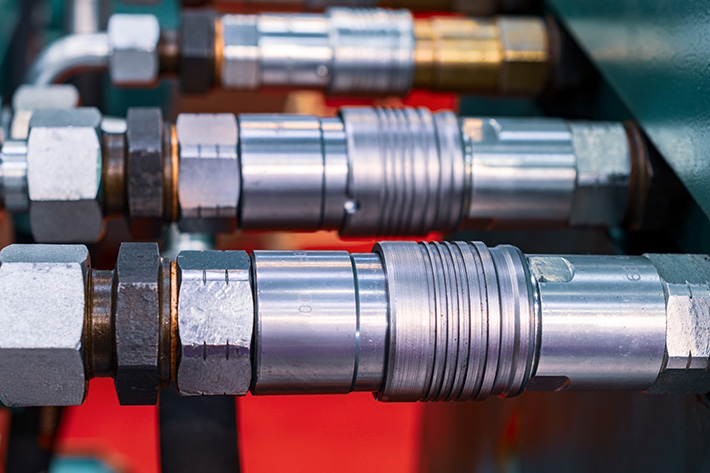
Every machine we use has a story behind it. Its mechanical parts display a culmination of knowledge that unravels the intricate mystery that keeps the gears turning. When these gears stop turning for whatever reason, it is up to the engineer to see what is wrong with it. One of the most commonly used methods for understanding how a part functions is reverse engineering.
By disassembling the individual part that’s having trouble, technicians can redesign the same part in software programs, such as CAD, to put back in the machine. This has a very high success rate as sometimes these parts are no longer available on the market. Engineers well-versed in reverse engineering are a must-have for any company looking to save on costs.
Reverse engineering should only be practiced by trained professionals.
At Servo Kinetics Inc. in Ann Arbor, Michigan, we handle big industrial equipment from international manufacturers with the precise tools needed to complete the job. In this article, we’ll explore the fascinating process of reverse engineering and how hydraulic pump equipment benefits from this technique.
What Is Reverse Engineering?
Reverse engineering is an analytical procedure that attempts to deconstruct an existing, non-functional component to find out what makes it tick—how it relates to other parts in the system and what is its actual purpose. It starts with the final product and works backwards to find out information like a detective solving a mystery. This can help point out its blind spots and help design a new and improved version.
It is not uncommon in the manufacturing sector to have blueprints or manuals lost to the sands of time. Technicians who no longer have access to this information may be gone. That is why it is up to the company to find skilled workers who can decipher obtuse systems and help elucidate them.
The Role of Reverse Engineering in Hydraulic Repair Services
When a hydraulic system malfunctions, time is of the essence to get it fixed. These complex systems allow for the pressurization of hydraulic fluid which gives life to the machines we use. Reverse engineering helps identify the root cause and get right to the next step, which is recreating the part through CAD software.
This compatible replacement part will then be tested and repair the system back to normal without damaging adjacent equipment. This process helps extend the lifespan of machinery, reducing downtime and eliminating the need to outsource.
Frequent Questions
Are there any risks associated with reverse engineering?
Legal issues may arise if the part has a patent and may interfere with intellectual property laws. Additionally, relying solely on reverse-engineered data without understanding the context may lead to inaccurate conclusions.
Is reverse engineering a time-consuming process?
Not necessarily. It will depend on the scope of the project and the complexity of the system being analyzed. Generally, it is best practice to prepare for a longer investigation process just in case.
Can reverse engineering be used to improve sustainability in product design?
Reverse engineering is one of the best ways to achieve this goal. Once you understand the product fully, you can make improvements to implement bio-friendly materials and energy-efficient measures.
Reverse engineering is a gateway to knowledge previously unknown.
By utilizing existing products or systems, engineers can uncover valuable insights that propel advancements and foster creativity. If reverse engineering intrigues you and you’re looking for a company that specializes in it, consider Servo Kinetics.
We provide industrial hydraulic repair services for high-profile companies around the world in industries with very exacting standards. By doing business with us, you are contributing to sustainable manufacturing practices that shape our modern society. Embrace the gears of progress and get in touch with us today for a consultation.