
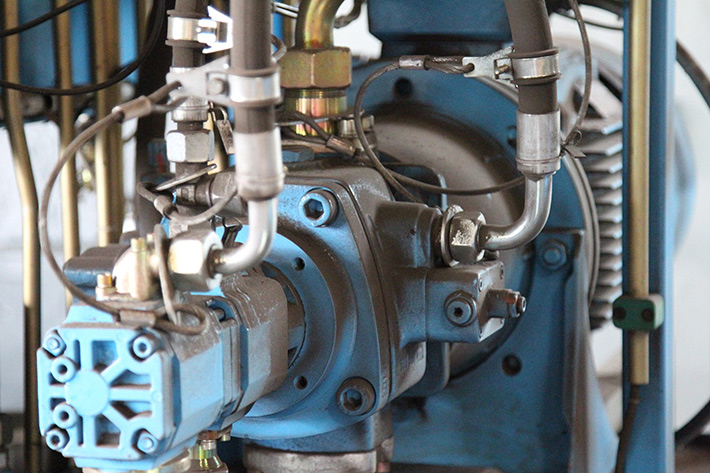
Hydraulic systems are behind much of the equipment used in today’s industrial operations. They’re popular because they generate a lot of power while still allowing for smooth, controlled movement. Whether lifting heavy loads, running industrial presses, steering ships, or powering excavation machines, hydraulic pumps are essential to how modern machinery works.
Knowing how hydraulic pumps work and why they matter in different industries helps businesses keep equipment running, avoid downtime, and improve reliability over time.
What Is a Hydraulic Pump and How Does It Work?
A hydraulic pump is a device that turns mechanical energy into hydraulic energy by moving fluid through a system. This flow creates the pressure needed for hydraulic systems to power equipment, machinery, cylinders, and motors.
In this guide, we’ll look at how hydraulic pumps work, the main types of pumps, which industries use them, and why regular maintenance and repair are important for keeping equipment running well.
How Hydraulic Pumps Work
Hydraulic pumps move fluid from a reservoir into a pressurized system. As the fluid flows, it builds pressure and sends power to motors, cylinders, valves, and other parts. This lets heavy equipment and machines move with strength, accuracy, and control.
Hydraulic systems are commonly used for:
● Lifting
● Pressing
● Steering
● Rotating
● Excavating
● Material handling
Most hydraulic systems have several main parts that work together, including pumps, motors, cylinders, valves, fluid reservoirs, hoses, and fittings. These parts form a reliable and optmized system that supports tough industrial jobs in many industries.
Common Types of Hydraulic Pumps
Different hydraulic systems require different pump designs based on how much pressure they need, the conditions they work in, and what the equipment requires.
Gear Pumps
Gear pumps are one of the most common types of hydraulic pump used in industrial equipment. These pumps use rotating gears to move hydraulic fluid through the system and are known for their durability, affordability, and simple design.
Gear pumps are commonly used in:
● Agricultural equipment
● Material handling systems
● Construction machinery
● Industrial equipment
Vane Pumps
Vane pumps have rotating vanes inside a rotor that move fluid efficiently through the system. People often choose them because they run more smoothly and quietly.
Common applications include:
● Automotive systems
● Injection molding equipment
● Medium-pressure industrial machinery
Piston Pumps
Piston pumps are made for high-pressure systems that need top performance and efficiency. They use pistons that move back and forth to create strong flow and pressure.
Industries commonly using piston pumps include:
● Mining
● Heavy construction
● Marine operations
● Aerospace
● Oil and gas
What Industries Benefit from Hydraulic Pumps and Motors?
Hydraulic pumps and motors are important in many industries because they give reliable power and precise control, while handling a heavy workload.
Construction Industry
Construction equipment relies heavily on hydraulic systems. Excavators, bulldozers, cranes, loaders, and backhoes all depend on hydraulic pumps to lift heavy materials, dig, and perform demanding tasks safely and efficiently.
Manufacturing and Industrial Facilities
Manufacturing uses hydraulic systems for presses, conveyors, automated machines, and injection molding. This technology helps factories work more efficiently and boosts productivity.
Agriculture
Modern farm equipment uses hydraulics for steering, harvesting, lifting, spraying, and handling materials. Tractors, combines, and balers rely on pumps and motors every day.
Marine Industry
Marine hydraulic systems power steering, stabilizers, deck equipment, cranes, and winches. This technology works well in tough marine conditions where strength and reliability matter most.
Mining Operations
Mining equipment works in extreme conditions and needs strong hydraulic systems for nonstop, heavy-duty use. Pumps help run excavation machines, drills, hauling systems, and transport vehicles.
Benefits of Hydraulic Systems
Hydraulic systems are still popular because they offer several important benefits.
High Power Output
Hydraulic systems create a lot of force while keeping equipment compact. This helps heavy-duty machines do tough jobs efficiently.
Precision and Control
Hydraulic systems let operators control movement smoothly and accurately. They can adjust speed, pressure, force, and direction for better results.
Durability
When maintained well, hydraulic systems last a long time and can work in tough industrial settings.
Versatility
Hydraulic technology can be used in many areas, including construction, transportation, manufacturing, marine, agriculture, and other industries.
Why Hydraulic Pump Maintenance Matters
Regular hydraulic maintenance is key to keeping equipment working well and avoiding sudden breakdowns.
Over time, hydraulic systems may experience:
● Fluid contamination
● Seal wear
● Hose deterioration
● Overheating
● Pressure loss
● Internal component wear
Regular checks and preventive maintenance can catch small problems before they turn into big repairs or cause downtime.
Important hydraulic maintenance practices include:
● Monitoring hydraulic fluid quality
● Replacing worn seals and hoses
● Inspecting hydraulic filters
● Checking fluid levels
● Monitoring operating temperatures
● Performing routine system testing
Getting help from skilled hydraulic repair experts can make equipment last longer, cut down on downtime, and keep things running seamlessly over time.
Related Questions
What causes hydraulic pump failure?
Hydraulic pump failure can result from contamination, overheating, improper maintenance, fluid leaks, worn components, excessive pressure, or the use of the wrong hydraulic fluid.
How long do hydraulic pumps last?
Hydraulic pump lifespan depends on operating conditions, maintenance schedules, system design, and workload demands. Properly maintained hydraulic pumps can often last for many years.
What is the difference between a hydraulic pump and a hydraulic motor?
A hydraulic pump converts mechanical energy into hydraulic energy by moving fluid through a system. A hydraulic motor converts hydraulic energy into mechanical energy, producing movement.
Why is hydraulic fluid important?
Hydraulic fluid transfers power throughout the system while also lubricating components, reducing wear, controlling heat, and helping prevent corrosion.
Power Your Operation with Reliable Hydraulic Performance
Hydraulic pumps are key parts of many industrial systems. Knowing how they work and keeping up with regular maintenance and repairs helps businesses keep equipment reliable, avoid downtime, and run efficiently for the long term. Take steps now to keep your operations running efficiently.
Contact Servo Kinetics for industrial hydraulic repair services that you can rely on. We specialize in advanced hydraulic testing, diagnostics, and system optimization that keep your equipment operating efficiently and reliably, day after day.