
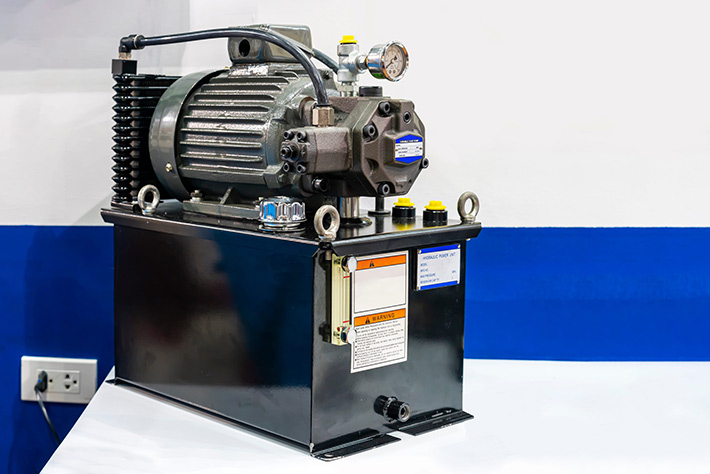
A hydraulic system can start acting tired even when the pump can still do its job.
Pressure takes longer to recover. A machine hesitates during part of its cycle. The pump seems to run more often than it used to. Maintenance teams start with the obvious suspects, and the accumulator may get little attention because it is still sitting quietly in the circuit.
That can be a costly oversight.
Hydraulic accumulators depend on a specific gas precharge to work correctly.
When that pressure drops too far, the accumulator may no longer provide the response the system was designed around. The symptoms can resemble pump wear or other hydraulic problems, so it’s worth checking the precharge before replacing parts unnecessarily.
What The Precharge Actually Does
Most hydraulic accumulators use compressed nitrogen on one side and hydraulic fluid on the other. Depending on the design, a bladder, diaphragm, or piston keeps the gas separated from the fluid.
Before hydraulic pressure enters the accumulator, charge the gas side to a specified pressure. That is the precharge.
As system pressure rises, hydraulic oil enters the accumulator and compresses the nitrogen. When the circuit needs stored energy, the expanding gas pushes oil back into the system.
The precharge determines how the accumulator behaves throughout that process. No single pressure works for every machine. The correct setting depends on the accumulator design and what it is being asked to do.
What Happens When Nitrogen Pressure Drops
Accumulator precharge can decline gradually. Gas can permeate through elastomer components over time, while valve leakage or damaged internal parts can create faster losses.
Once the pressure falls too far, the accumulator starts working outside its intended range.
In an energy storage application, the system may lose some of the reserve it normally relies on during peak demand. The pump may have to compensate more frequently. Operators may notice the machine doesn’t recover between movements the way it once did.
A system that uses an accumulator to absorb pulsations or pressure changes may also start behaving differently. Movement can feel rougher, while pressure fluctuations that were once softened become easier to see on a gauge.
Because the pump is responding to these changes, it can look like the pump itself is becoming weak.
Low Precharge Can Damage The Accumulator
Performance loss is only part of the concern.
A bladder accumulator with very low precharge can force the bladder into areas where it was never intended to operate. Repeated operation under those conditions can damage the bladder and eventually take the accumulator out of service.
Piston accumulators can suffer from repeated end-of-travel contact when the gas charge is too low.
This is why simply adding nitrogen whenever a system behaves strangely is not a good repair strategy. If the precharge has dropped, the maintenance team also needs to understand why.
A damaged gas valve or worn internal component may mean that restoring the pressure only provides temporary relief.
Why The Problem Can Be Mistaken For Pump Wear
The confusion comes from the way the accumulator and pump work together.
If the accumulator normally provides extra flow during a demanding part of the machine cycle, losing that stored energy places more of the job back on the pump. Cycle behavior changes even if the pump itself is still healthy.
Maintenance personnel may see longer recovery times and assume internal pump leakage has increased. That is possible, but an accumulator problem can create a similar complaint from the operator.
The difference becomes clearer when you test the system rather than diagnose it by feel alone.
Pressure readings can help show how the system responds during the cycle. You may need to check pump performance independently. Also verify the accumulator precharge using the proper procedure for that unit.
Precharge Should Be Part Of Routine Maintenance
Don’t treat accumulator gas pressure as a setting that lasts forever.
Manufacturers recommend periodic checks because some gas loss over time is expected. The correct interval depends on the equipment, accumulator type, operating conditions, and manufacturer guidance.
Keeping a record can be useful. If an accumulator requires regular recharging, that pattern may point to a developing problem. A unit that repeatedly loses pressure deserves more attention than one that remains stable between scheduled checks.
Temperature also matters because gas pressure changes with temperature. A reading taken on a cold machine may differ from one taken after the system has been running. Maintenance procedures should account for these conditions so technicians compare meaningful numbers.
Use The Right Gas And The Right Procedure
Hydraulic accumulators are pressure vessels, so servicing them requires proper equipment and safe procedures.
Dry nitrogen is normally used for precharging hydraulic accumulators. Never substitute compressed shop air or oxygen. Handle the hydraulic side according to the accumulator manufacturer’s service instructions before checking or adjusting the gas pressure.
Guessing at precharge pressure is just as risky. The setting should come from the machine specifications or accumulator application requirements, not a general rule copied from another system.
Hydraulic Troubleshooting That Finds the Problem Before Parts Are Replaced
When a hydraulic system starts recovering slowly or behaving differently under load, the pump deserves attention, but it shouldn’t be the only component you consider.
An accumulator with incorrect precharge can change the way an otherwise healthy hydraulic circuit behaves. Catching that issue early may prevent unnecessary component replacement and help avoid damage inside the accumulator itself.
With over 45 years of experience, Servo Kinetics Industrial Hydraulic Repair Services provides industrial hydraulic troubleshooting, pump and motor repair, servo valve repair, and complete hydraulic component rebuilding. Our team uses detailed inspections, failure analysis, and performance testing to help identify the source of hydraulic problems and restore reliable operation.
Call and speak with a hydraulic repair specialist today!