
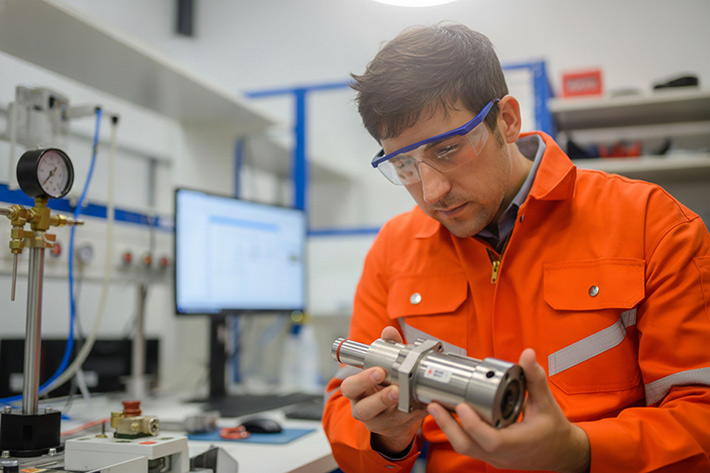
When a repaired hydraulic component comes back to the plant, the first reaction is usually relief. Production needs the machine running again, and the rebuild looks clean, painted, and ready to install. It can be tempting to treat the paperwork in the box as something to file away for later.
That test report deserves more attention.
A hydraulic repair test report gives maintenance teams a clearer view of how the unit performed after repair and before shipment.
It can help confirm that the component was not simply cleaned up and sent back. It also gives your team a reference point if the machine behaves differently once the rebuilt unit is installed.
For busy facilities, that information can be useful long after the repair is finished.
A Test Report Gives You A Performance Baseline
A rebuilt unit should not return with guesswork attached to it. Testing helps confirm that the component can perform under controlled conditions before it goes back into service.
The report may show pressure readings, flow behavior, temperature information, or other performance notes depending on the component and the testing process. Those details create a baseline. If the unit ran properly on the test stand but struggles once installed, the next question shifts toward the machine, fluid condition, piping, controls, or operating environment.
That distinction matters. Without a test record, every new symptom can feel like another repair problem. With one, the maintenance team has a starting point for troubleshooting.
It Helps Separate Component Problems From System Problems
Hydraulic systems are connected systems. A repaired component can only perform well if the rest of the circuit supports it.
A pump may come back tested and ready, then run hot because the reservoir is contaminated or the suction line is restricted. A motor may test correctly, then lose performance because pressure is dropping somewhere else in the system. A servo valve may respond properly on a bench, then act unstable because of dirty fluid or electrical signal issues.
The test report does not solve those problems by itself. It helps narrow the search.
If the repaired unit met performance expectations before shipment, the installation team can look more closely at the surrounding conditions. That saves time and reduces the risk of sending the same component back for a problem caused elsewhere.
The Report Can Support Better Installation Decisions
A repaired unit should be installed with care, especially after a serious failure. The test report can help maintenance teams prepare for that step.
If the report notes successful performance under specific conditions, the team can compare those conditions to the machine’s actual operating setup. That may prompt a check of relief valve settings, fluid temperature, filtration, alignment, or case drain routing before startup.
This is especially helpful when a component has been out of service for a while. During downtime, other repairs may have been made. Settings may have been adjusted. Hoses may have been changed. A test report gives the team a documented reference before everything is put back under load.
It Creates A Record For Future Repairs
Hydraulic repair history becomes more valuable over time.
If the same type of unit comes in for service again, past test reports can show how earlier repairs performed. They can also reveal whether failures are becoming more frequent or whether the same symptom keeps returning on one machine.
That record helps maintenance teams make better decisions. If a component fails repeatedly despite proper repair, the issue may be tied to contamination, heat, alignment, pressure spikes, or an operating condition that has not been corrected.
A report kept with the machine history can help connect those dots later. It also gives future technicians a better understanding of what was done, how the unit tested, and what changed after the repair.
Do Not File It Before Reading It
The simplest mistake is treating the report like a receipt.
Before the rebuilt component is installed, someone should review the report and compare it with the symptoms that led to the repair. If the unit was sent in for low pressure, does the report show strong pressure performance after rebuild? If overheating was part of the original complaint, does the system need additional inspection before startup?
A short review can prevent confusion later. It also helps the team spot questions before the component is bolted back onto the machine.
If something in the report is unclear, ask before installation. A quick conversation can save hours of troubleshooting after the line is running again.
Test Reports Build Confidence In The Repair
Downtime puts pressure on everyone. Maintenance wants the equipment restored. Operations wants production moving. Management wants the repair cost to make sense.
A clear test report helps support all of those goals. It shows that the rebuilt component was checked before leaving the repair facility. It gives the plant a useful record. It also helps identify whether later problems are likely tied to the component or to the system around it.
Servo Kinetics provides hydraulic repair, inspection, rebuilding, and testing services for industrial customers that need dependable components returned with useful documentation. When a repaired unit comes back with a test report, their team helps give maintenance departments more than a finished part. They provide information that can support installation, troubleshooting, and long-term equipment reliability.