
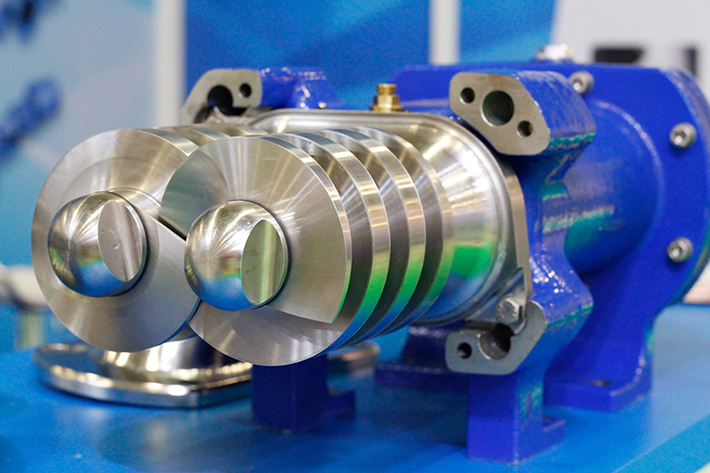
Hydraulic systems can be found in many everyday objects like airplane landing gear, car brakes, hydraulic jacks, pumps, presses and scrap machines. Heavy duty hydraulics are often used for things like construction equipment, car lifts, elevators and industrial manufacturing.
So, what are the benefits of hydraulic systems?
Hydraulic systems are efficient, easy to use, and apply force constantly instead of in a cycle. However, they do have some drawbacks. Hydraulic systems are susceptible to leaks and require regular maintenance and replacement of fluid.
Continue reading to learn more about the advantages of hydraulic systems.
How Do Hydraulics Work?
Hydraulic systems convert fluid into mechanical force. Since liquids are incompressible, circulating fluid through a closed system can transfer energy efficiently. Hydraulics rely on this flow power to move a piston or rotor. In contrast, purely mechanical motors convert power from combustion, electricity or magnets into mechanical force.
Efficiency
One of the main reasons hydraulics are so popular is their efficiency. Because they rely on fluid for transmitting power, a hydraulic system can pack a lot of force into a relatively small amount of space. This makes hydraulics great for jobs that involve lifting heavy objects. Adding to their convenience, certain parts of a hydraulic system like pumps and motors can be located a significant distance away from the actuator. This makes them versatile and easier to install.
Constant Force
Another advantage of hydraulic systems is their constant application of force. Since they rely on incompressible fluid, hydraulics can apply the same consistent amount of force for the duration of extending and compressing a piston. They can even reverse the direction of force quickly without coming to an abrupt stop.
Easy to Control
Because hydraulics rely on constant circulation of fluid rather than a rising and falling motion, they are easy to operate at the push of a button. Users can quickly adjust the speed and range of a hydraulic piston.
Though mechanical systems are capable of operating at a higher accuracy and maximum speed, they are required to operate at a fixed rate and adjusting mechanical systems can be a cumbersome process. Machines powered by electrical motors also have a higher danger of overheating and additional precautions are needed when using these systems in areas where flammable material is present.
What Are the Disadvantages of Hydraulics?
Using fluid as a method to transmit power has many benefits for hydraulic systems but also carries some disadvantages. Components like fluid lines, valves and seals can leak or drop in performance due to wear and need to be checked and maintained regularly.
Internal leaks are more difficult to detect, and often require a certified specialist to repair. Alongside other maintenance, hydraulic fluid also needs to be replaced regularly to prevent contamination, loss of viscosity, and other issues.
If a seal or line does fail, hydraulic fluid can leak and spread before anyone notices and cleanup can cost time and money. Additionally, since hydraulic fluid is a blend of oil and other hazardous chemicals, a serious leak can pose risks to health and the environment.
Because they rely on liquid, hydraulic systems are also subject to temperature issues. They may freeze in very cold conditions or overheat at high temperatures. Operating hydraulics in these types of environments requires purchasing specialized hydraulic fluid.
Hydraulic Systems Overall
Ultimately, the decision to use hydraulics or an alternative system depends on business and technical needs. Hydraulics are favored for certain heavy lifting tasks like car jacks and elevators, while electrical systems are favored for repetitive high-volume movements like machine presses and engines. The initial cost of implementing a mechanical or hydraulic systems should be balanced against the expenses of continued maintenance and replacement parts.
If you have questions about your hydraulic system, Servo Kinetics in Ann Arbor can help! We provide full-service industrial hydraulic repair, inspection and rebuild capabilities. We work with industries that have very exacting standards including some of the most tech savvy companies in the world which makes us a trusted choice for hydraulic repair services.
Our hydraulic repair services include hydraulic pump and motor repair, Vickers classic factory rebuilds, hydraulic field piping repair, reverse engineering services and more. Contact us today.