
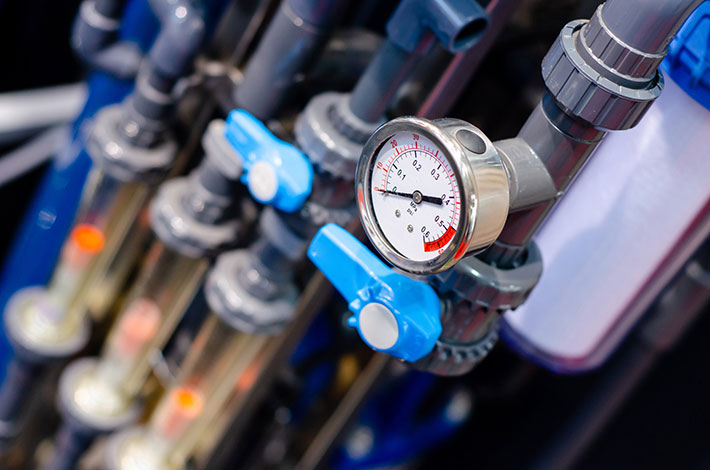
Hydraulic systems are a critical tool in a wide variety of industrial spaces. They provide powerful, precise functionality that everything from tools to machinery requires in these circumstances. While these systems are durable, maintaining their hydraulic fluid can help extend their longevity and efficiency.
Contamination can lead to the system becoming inefficient and can cause malfunctions that require costly maintenance.
Regularly cleaning the hydraulic fluid, changing filters, or flushing and refilling the system can avoid catastrophic failures.
Our Key Practices for Maintaining Hydraulic Fluid
So, we’ve established that maintaining hydraulic fluid is critical to getting the best performance out of your machinery, but how is it done? We’re going to introduce the best practices for maintaining hydraulic fluid. It all starts with taking a proactive approach to hydraulics fluid maintenance.
● Regular Filtration and Monitoring: It all starts with the machine and the filtration systems that help maintain its hydraulic fluids. Only high-quality filters should be used and changed regularly. These filters keep water, metal particles, dirt, and other contaminants from your fluid.
● Proper Storage and Handling: Your hydraulic fluid reserves must be stored clean and dry, especially after opening. Anytime the container is opened, you risk introducing contaminants such as moisture and airborne debris. Maintaining a clean, dust-free storage area avoids this risk.
● Routine System Inspections: Aging pumps, valves, and hoses can form leaks or experience wear and tear that introduce contaminants into the system. Maintaining a steady inspection routine ensures you’ll catch these issues before they impact the performance of your machinery.
● Temperature and Pressure Control: Hydraulic fluids typically have a range of optimal temperatures and pressures in which they perform at their best. When outside these ranges, the fluid can oxidize due to heat or damage the system due to overpressure.
These maintenance practices will help improve the performance of your hydraulic system and, perhaps more importantly, reduce downtime resulting from malfunctions.
Why Is Clean Hydraulic Fluid Important?
We’ve discussed how to keep your hydraulic fluid clean, but we’ve only brushed on why this is important. Overall, clean, high-quality hydraulic fluid will ensure you get the best performance, highest efficiency, and lowest operational costs from your machinery. Let’s explore this in more detail.
● Reduced Equipment Wear and Tear: When your hydraulic fluid is contaminated, it increases internal wear and tear on your system. Keeping your fluid contaminant-free ensures the internal systems experience the least damage during operation.
● Lower Maintenance Costs: Protecting your system from wear and tear will significantly reduce maintenance costs. Thanks to improved reliability, your system will also experience less downtime.
● Optimal Performance in High-Precision Applications: Precision is important to any industry. For the automotive and aerospace industries, it’s absolutely vital. Clean, fresh hydraulic fluid ensures that your systems can maintain quality and safety.
Making hydraulic fluid cleanliness a priority in your business is important to getting the most out of your machinery. Routine processes will protect your equipment, extend the longevity of your equipment, and make sure you get the best performance out of them.
Partnering with Servo Kinetics for Superior Hydraulic Performance
If you’re ready to ensure that your hydraulic fluid is clean and properly maintained, it’s time to reach out to Servo Kinetics Industrial Hydraulic Repair Services in Ann Arbor. We specialize in finding the best maintenance solutions for hydraulic systems with our advanced filtration systems and fluid analysis services. When trouble comes to call, you can rely on us to perform precision repairs that will have your machinery back up and running like new. You can reach out to our expert hydraulic repair services team today to experience the difference quality fluid maintenance makes.