
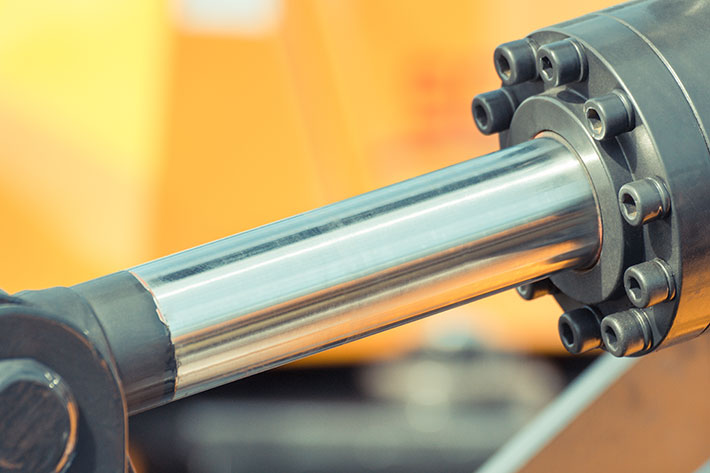
From manufacturing to aerospace, hydraulic systems are the lifeblood of countless industries, powering critical systems that are essential to operations. But what happens when hydraulic systems lose efficiency, or critical components break down and replacement parts are unavailable?
To stop operations from coming to a halt, reverse engineering is the solution that gets hydraulic systems back to running efficiently.
Reverse engineering is beneficial for hard-to-find or obsolete hydraulic parts.
In this blog, we will dive into exactly what reverse engineering is and how it brings value to hydraulic repair.
What Is Reverse Engineering?
Reverse engineering is the process of taking a finished product and working backwards to discover how it works. Utilized in many different industries, including manufacturing, IT, and hydraulic repair, those who use reverse engineering take a finished system or piece of code and deconstruct it. They analyze its different components to understand how it was designed and how it functions.
Now that we understand what reverse engineering is, the question is: why is this process valuable? While entire systems may work sub optimally or not at all, the culprit could be just one component of the system.
Reverse engineering not only allows you to discover this component but can also teach you how to fix it. In addition, many original OEM parts may no longer be available or may be quite costly. With reverse engineering, repair professionals can recreate these components with precision and often at a fraction of the cost.
Reverse Engineering for Hydraulic Repair
Hydraulic systems are complex machinery marvels that require numerous mechanisms to all be working cohesively, including cylinders, pumps, valves, seals, and fittings. When one or more of these components fails, the entire system can be thrown off balance. Here is how reverse engineering can resolve these issues and restore hydraulic systems to optimal performance:
Identifying Failing Components
As stated, hydraulic systems are comprised of many working parts. By deconstructing the system and examining each component, technicians are able to pinpoint which component led to the failure, either through a design flaw or normal wear.
Recreating Parts
In older equipment, hydraulic systems may rely on parts that are no longer manufactured. In newer equipment, OEMs may hold proprietary information that inhibits repair. Both of these situations can make repairing hydraulic systems difficult. However, reverse engineering allows technicians to recreate these parts with precision.
Improving Performance
Hydraulic systems as they come can be extremely standard and used across a wide range of applications. These standard systems may not work as efficiently or as reliably as necessary for particular jobs. With reverse engineering, technicians can identify areas of improvement and modify the original design to increase performance.
Cost Savings
In addition to modifying parts for increased performance, reverse engineering also allows repair professionals to modify components or find alternative materials to save on costs. OEMs often charge large amounts for proprietary designs, but reverse engineering means that you can avoid these costly charges.
Minimizing Downtime
Obtaining repair parts from OEMs can sometimes take weeks, leaving you with excessive downtime in the interim. When you understand how the hydraulic system works and its moving components, you can skip the wait and instead fabricate the necessary parts locally.
In Sum
In essence, reverse engineering is a powerful tool to have in any repair professional’s toolkit. Not only is this process extremely valuable when it comes to hydraulic repair, but it also aids in fields like electronics, automotive, IT, and even forensics.
By understanding how things work, technicians are better equipped to restore outdated systems and develop customized applications, all while saving on costs. This versatility of reverse engineering makes it the ideal solution to tackle a wide range of challenges across various industries.
Reliable Industrial Hydraulic Repair Services
If you need reverse engineering services, Servo Kinetics in Ann Arbor are the experts. We have been providing hydraulic repair services, reverse engineering and precision machining for 50 years! Our team of hydraulic experts are known and valued throughout the industry. We offer quality products with competitive pricing and a fast turnaround. Get a Free inspection and evaluation on your hydraulic parts with immediate feedback on critical issues.